WHERE DOES RAN ENERGY CONSUMPTION REALLY COME FROM?
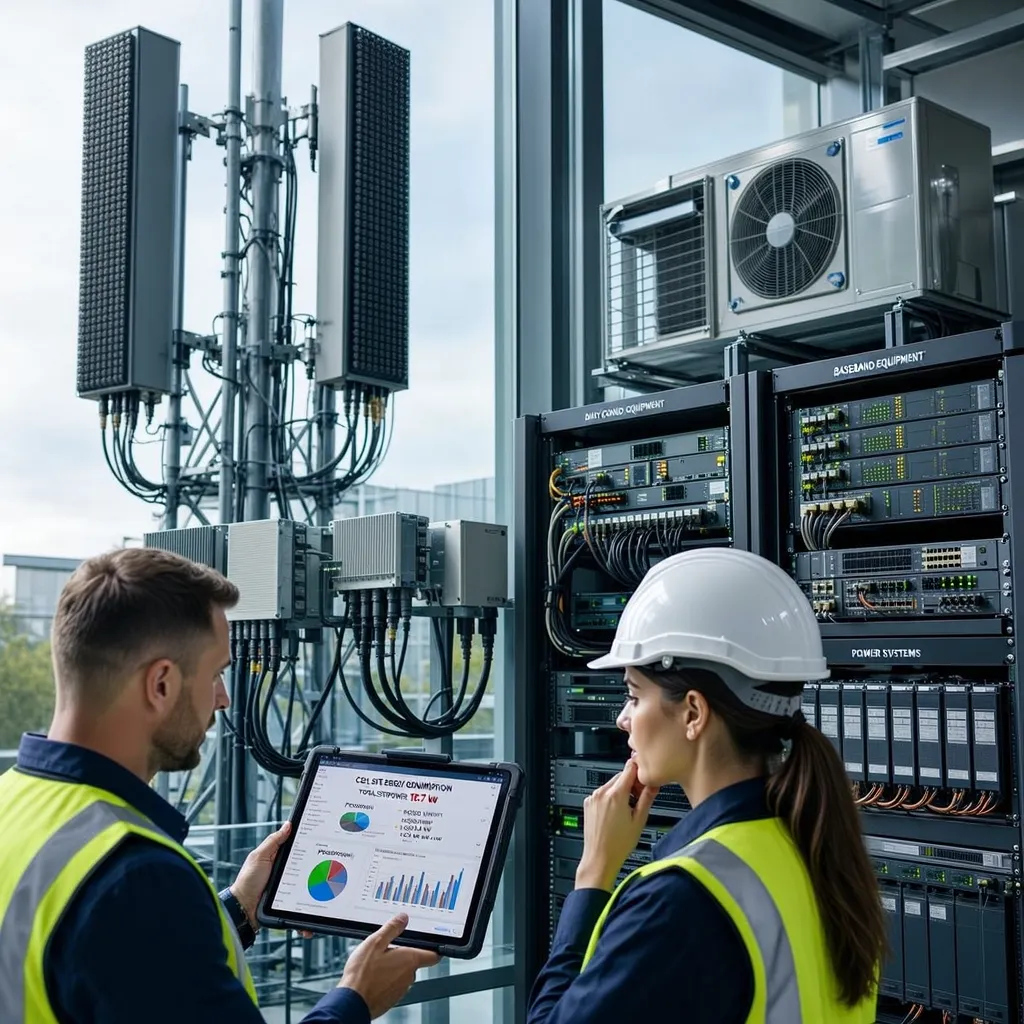
Explains the main sources of energy consumption in RAN, from power amplifiers and Massive MIMO radios to baseband processing and supporting infrastructure.
WHERE DOES RAN ENERGY CONSUMPTION REALLY COME FROM?
When we talk about energy efficiency in telecom, most people focus on the electricity bill. But before we can optimize energy consumption… We need to understand where that energy is actually being used. Because not all network elements consume power equally. And some of the biggest contributors may not be where people expect.
I often compare a mobile network to a city that never sleeps. No matter the time of day, critical infrastructure must remain operational. Ready to serve traffic whenever users need it. That continuous availability comes at an energy cost.
- Power Amplifiers Are Typically The Largest Energy Consumers because they generate and transmit radio signals continuously across the coverage area.
- Massive MIMO Radios Increase Energy Demand by adding more antenna elements, RF chains, and signal processing capabilities.
- Baseband Processing Requires Significant Computational Resources, especially as networks become more advanced and data-intensive.
- Cooling And Supporting Infrastructure Consume Additional Energy to maintain equipment within operational conditions.
- Always-On Network Operation Means Resources Often Remain Active Even During Low Traffic Periods.
This is where an important misconception appears. Many people assume energy consumption scales directly with traffic. But network energy consumption is often more complex than that.
A lightly loaded site may still consume a significant percentage of its peak power. Which means reducing energy consumption is not simply a matter of carrying less traffic.
It’s about operating the network more intelligently. And that changes the optimization challenge completely.
Because the objective is no longer just:
- Deliver coverage.
- Deliver capacity.
- Deliver throughput.
Now we must also ask: Can we deliver those outcomes more efficiently?
This is part 2 of my series on Energy Efficiency in RAN. Next post: THE ENERGY EFFICIENCY TRADEOFF: PERFORMANCE VS POWER Because saving energy is easy. Saving energy without impacting network performance is much harder.
What do you think? Which part of the RAN do you believe offers the greatest opportunity for energy optimization?
#5G #RAN #EnergyEfficiency #MassiveMIMO #Telecom #NetworkOptimization #5GAdvanced #TelecomInnovation